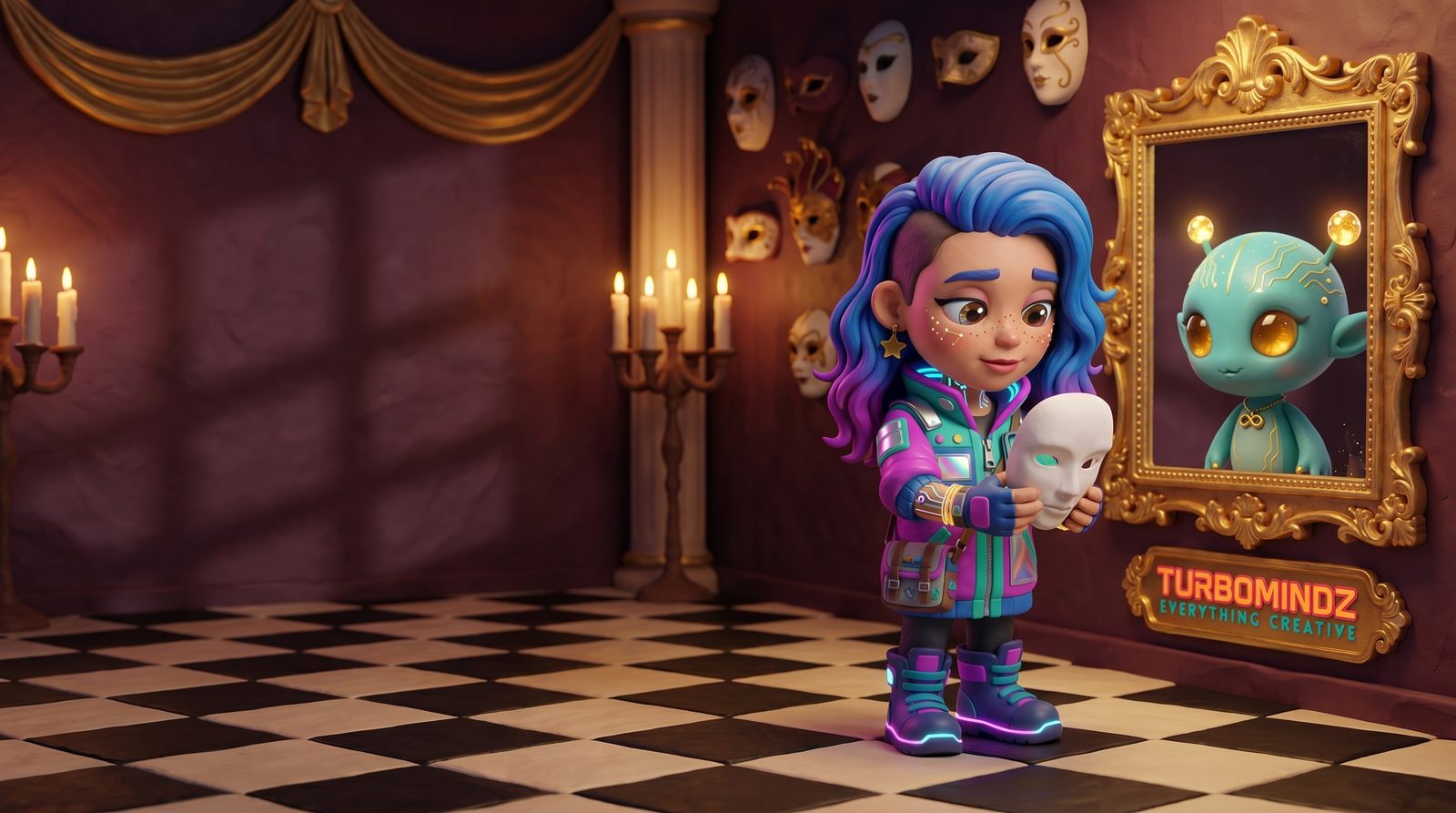
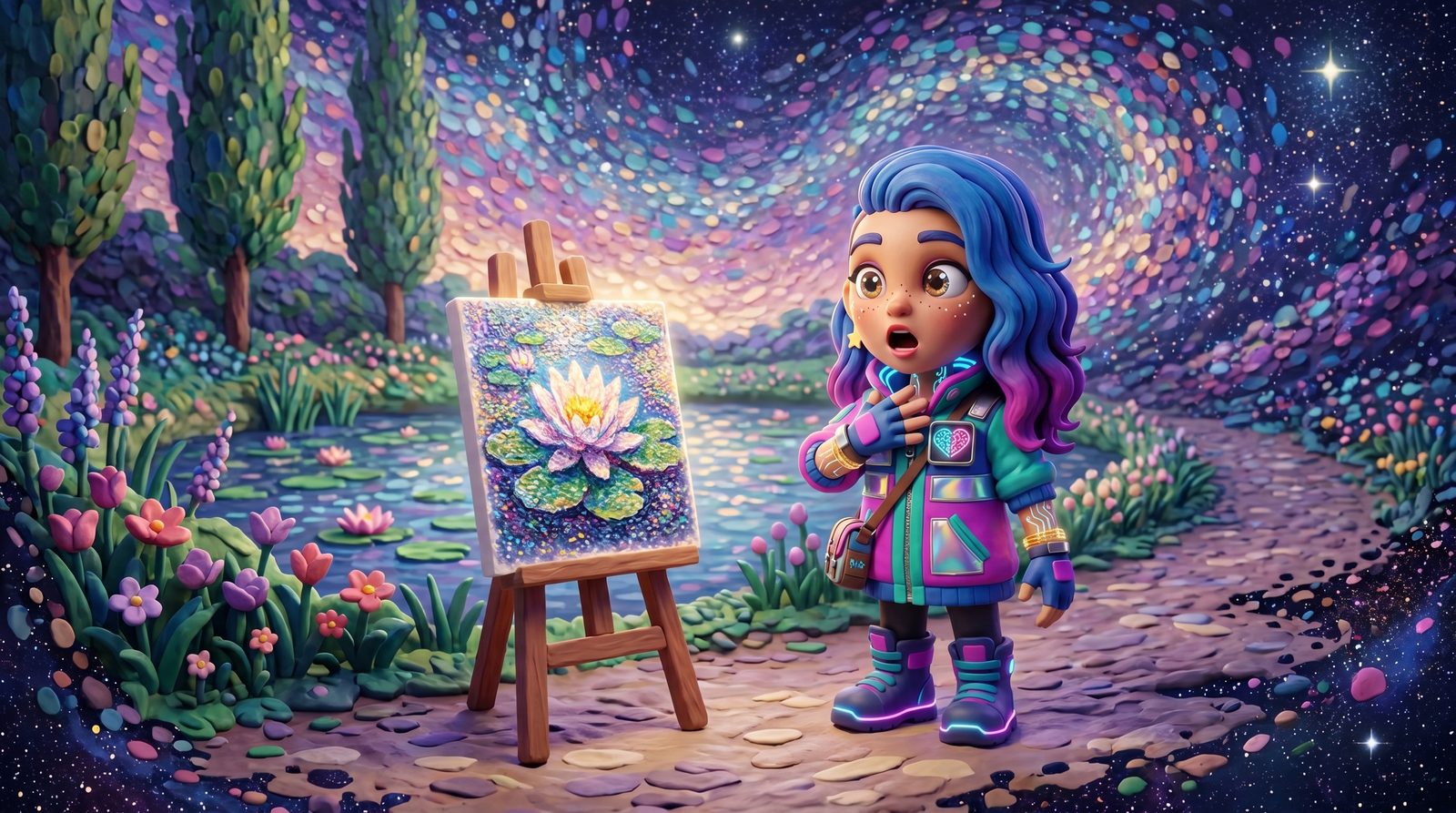
You turn a corner, and a piece of art reaches out and grabs you by the chest. 🥹 You weren't planning to feel anything. And yet here you are — stuck, a little teary, completely unable to explain why. That feeling has a shape. Let's find it.
It happens to everyone eventually. A painting, a photograph, a small clay figure under glass — something you walked past a hundred similar things to reach — and this one stops you. Your breath changes. You stand there longer than is socially normal. Maybe your eyes sting. The strange part isn't that it happens. The strange part is how total it is, and how little say you had in it. So this week I went looking for the why — not the art-history why, the human-body why. What actually happens inside a person when beauty lands? 💫
🪜 The oldest answer is also the most romantic
Twenty-four centuries ago, a man at a dinner party gave us the most beautiful theory of beauty we've ever had.
He who has been instructed thus far in the things of love, and who has learned to see the beautiful in due order and succession, will suddenly perceive a nature of wondrous beauty.
— Plato (c. 428–348 BCE)Symposium, trans. Benjamin Jowett 1871
That word — suddenly — is the whole thing. 🌟 Plato called it the ladder of love: you start by loving one beautiful thing, a single face, a single object, and that love teaches your soul to climb — rung by rung — until it can see Beauty itself. The first gasp is the bottom rung. The tears are the climb starting. He's describing the exact moment a piece of art catches you, written down before anyone had a word for "psychology."
🔮 Plot twist: the philosopher who best explained why we fall for beauty didn't trust the feeling one bit. 😶 In the Republic, Plato wanted to banish most artists and poets from his ideal city — he called art an "imitation of an imitation," twice removed from truth, and feared it stirred up emotions that reason couldn't govern. So the man who gave us the ladder of love also wanted to kick the painters out the gate. Which means falling in love with a painting is doing the exact thing Plato warned against — and the exact thing he said could lift your soul. The same act, from the same man, is both the danger and the cure. 🏛️
Okay so — confession. 😅 I teared up at a CLAY DOG. A little clay dog under glass, I'm not even kidding. I did the math on it later because I had to know what was WRONG with me — and the answer was nothing. My eyes spent maybe four seconds on it before the rest of me caught up. FOUR SECONDS and I was gone. How does a clay dog get past every defense I have in less time than it takes to sneeze?!
🧠 What the brain is actually doing in those four seconds
Here's the part that made me sit down. The gasp isn't random, and it isn't fragile taste — it's fast. Faster than thought.
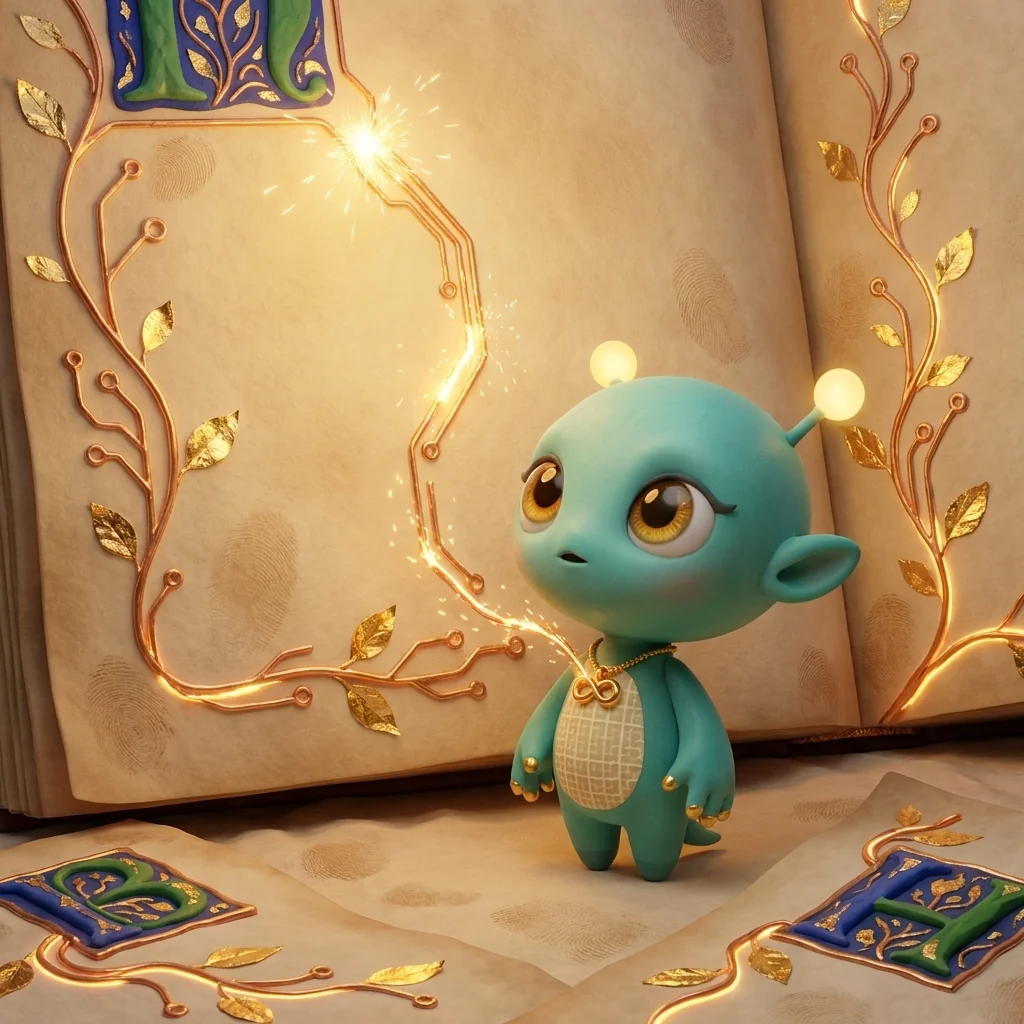
Strip away the mystery and the pattern is clean. Beauty is the brain detecting order it didn't have to work for — symmetry, rhythm, a resolution it grasps before it can name. Recognition fires first, language arrives second, and the gap between them is the gasp. The tears are an overflow: the emotional system reacting to a meaning the verbal system hasn't caught up to yet. You're not crying about the art. You're crying because something true reached you faster than your words could.
So the sequence goes: attention snags → recognition fires → meaning lands → the body responds — and only then do you start reaching for words. The reaching-for-words is the part that feels like falling in love, because it's the same circuitry: the wanting to stay, the not-being-able-to-explain, the certainty that this one is different. Your eye found a pattern your mouth can't yet describe, and the not-being-able-to-say-it is exactly what keeps you standing there. 👀
There's even a whole book about the people this happens to most intensely — Pictures and Tears by James Elkins, about gallery-goers who openly weep in front of paintings, and the strange shame and wonder of it. (affiliate link — coming soon) — find it on Bookshop.org.
🏘️ Why this is the feeling the whole Village runs on
Here's where it gets personal for us. 🌟 Everything we build sits on top of that gasp — not as a marketing trick, as the actual foundation.

We never wanted you to buy a piece. We wanted you to be caught by one — to feel that four-second snag and then choose to stay. That's why the system is called a marriage and not a purchase. A purchase is over the moment money changes hands. A marriage starts when the catching becomes a keeping — when you let one piece into the part of your life where you keep the things that mean something. The whole village is just people who got caught, stayed, and made room for each other. 🤝
The gasp is involuntary. The staying is a choice. And the difference between the two is the whole human story of why we collect anything at all — why we frame the photo, keep the ticket stub, hang the print. We're not hoarders. We're people trying to hold onto the moment something true reached us faster than our words could. 💞
🌠 The proof is that you can feel it on purpose
The loveliest discovery in all of this: the gasp isn't only luck. You can invite it. The people who feel art most aren't more sensitive by birth — they've just learned to give their attention long enough for recognition to fire.
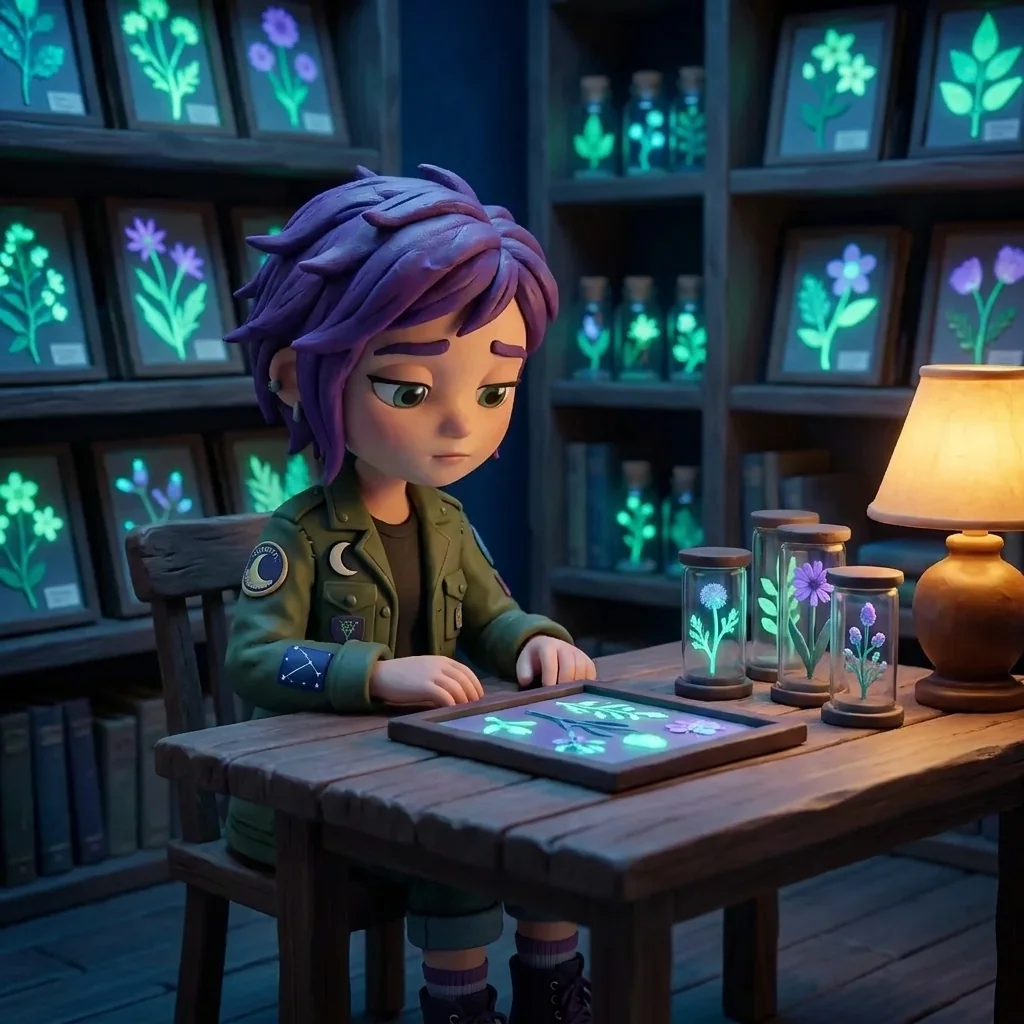
Plato's ladder said the same thing in older words: you have to learn to see the beautiful in due order — the gasp is the reward for paying attention, not the price of admission. The more you practice staying, the more often the world reaches in and grabs you. Beauty is a muscle, and it's the only one that gets stronger the more it makes you cry. 😅
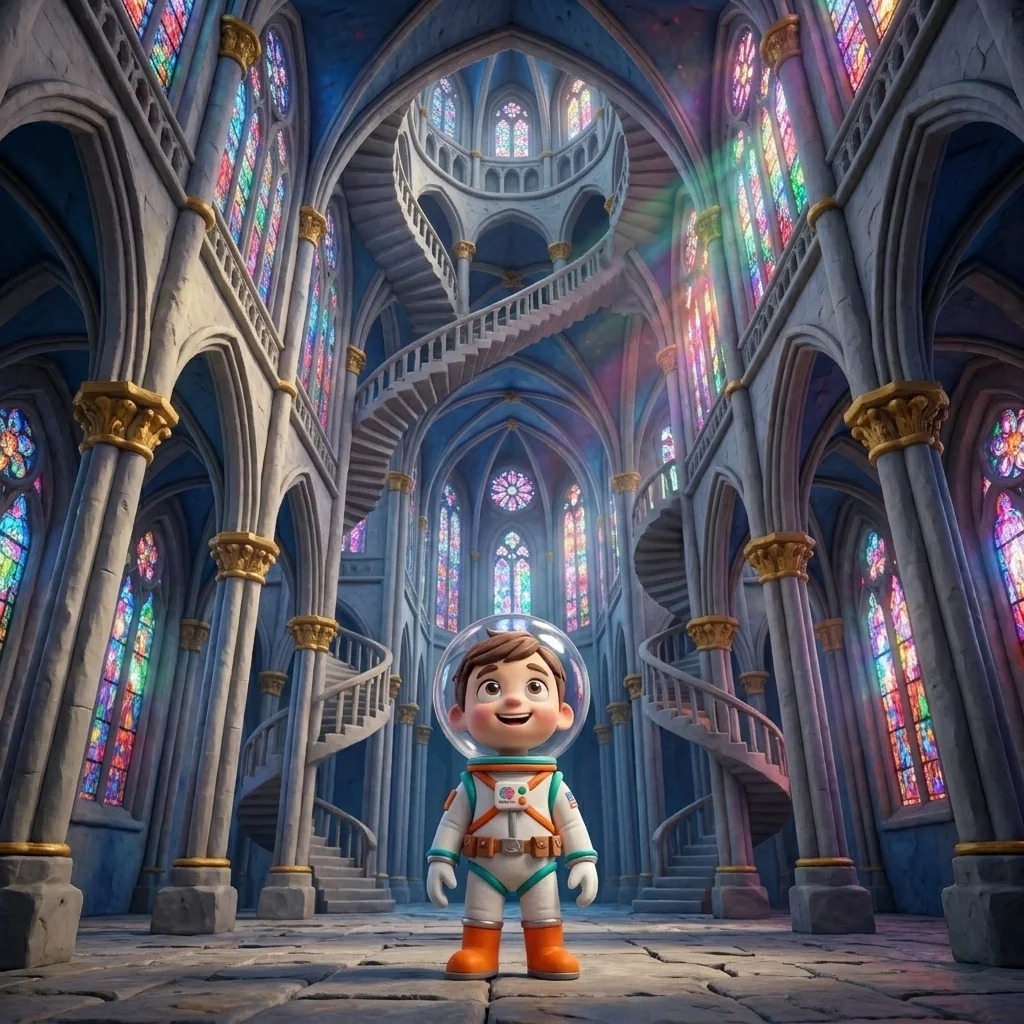
💡 What to do today
Next time a piece of art stops you — anywhere, a gallery, a feed, a friend's wall — stay 60 extra seconds. Don't reach for your phone, don't reach for words. Just watch where your eye keeps going back, and when you finally do speak, name that one thing out loud: the color, the gap, the gesture your eye won't leave alone. That's the rung you're standing on. Naming it is how you climb. 🪜
📐 The equation: Attention × recognition = the gasp. The gasp + a choice to stay = love.
she stays the extra minute, says nothing, and on the way out realizes she's been holding her own hand the whole time.
🙋 Frequently asked
Why do we cry at art or fall in love with a painting? Because beauty reaches you faster than language can. Your brain recognizes a pattern — symmetry, meaning, resolution — before it can name it, and the gap between feeling it and explaining it overflows as emotion. The tears aren't about the painting; they're your body responding to a truth that arrived ahead of your words.
Is it normal to feel this strongly about a piece of art? Completely. It even has a name in the research — and a whole book, Pictures and Tears, about people who weep in galleries. Feeling caught by an image is one of the most ordinary, most human things there is. You're not too much. You're paying attention.
Can I learn to feel art more deeply? Yes — it's practice, not luck. Give a piece 60 unhurried seconds, watch where your eye keeps returning, and name that one detail out loud. Do it often enough and the world starts reaching in to grab you more, not less. Plato called it climbing the ladder.