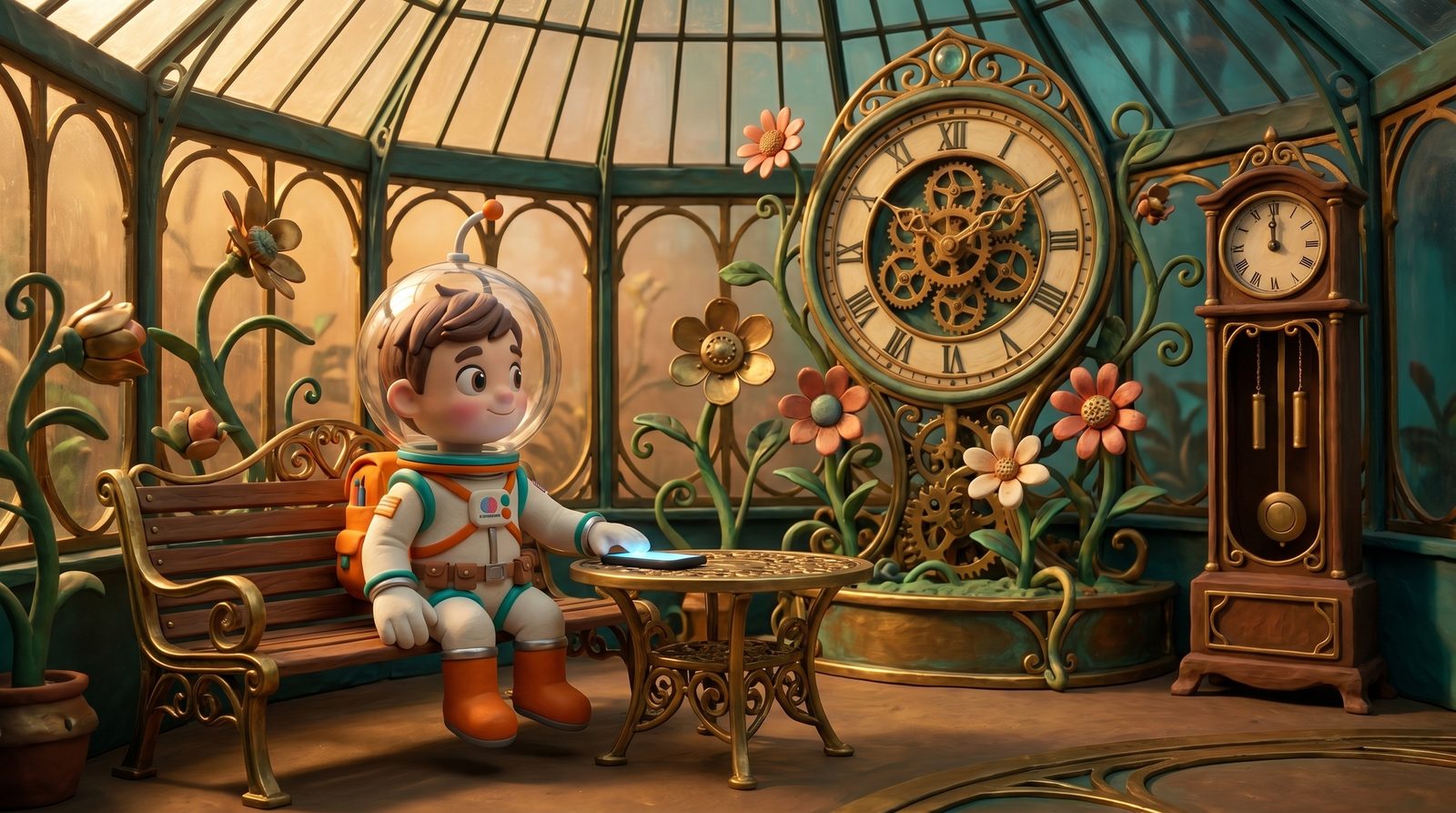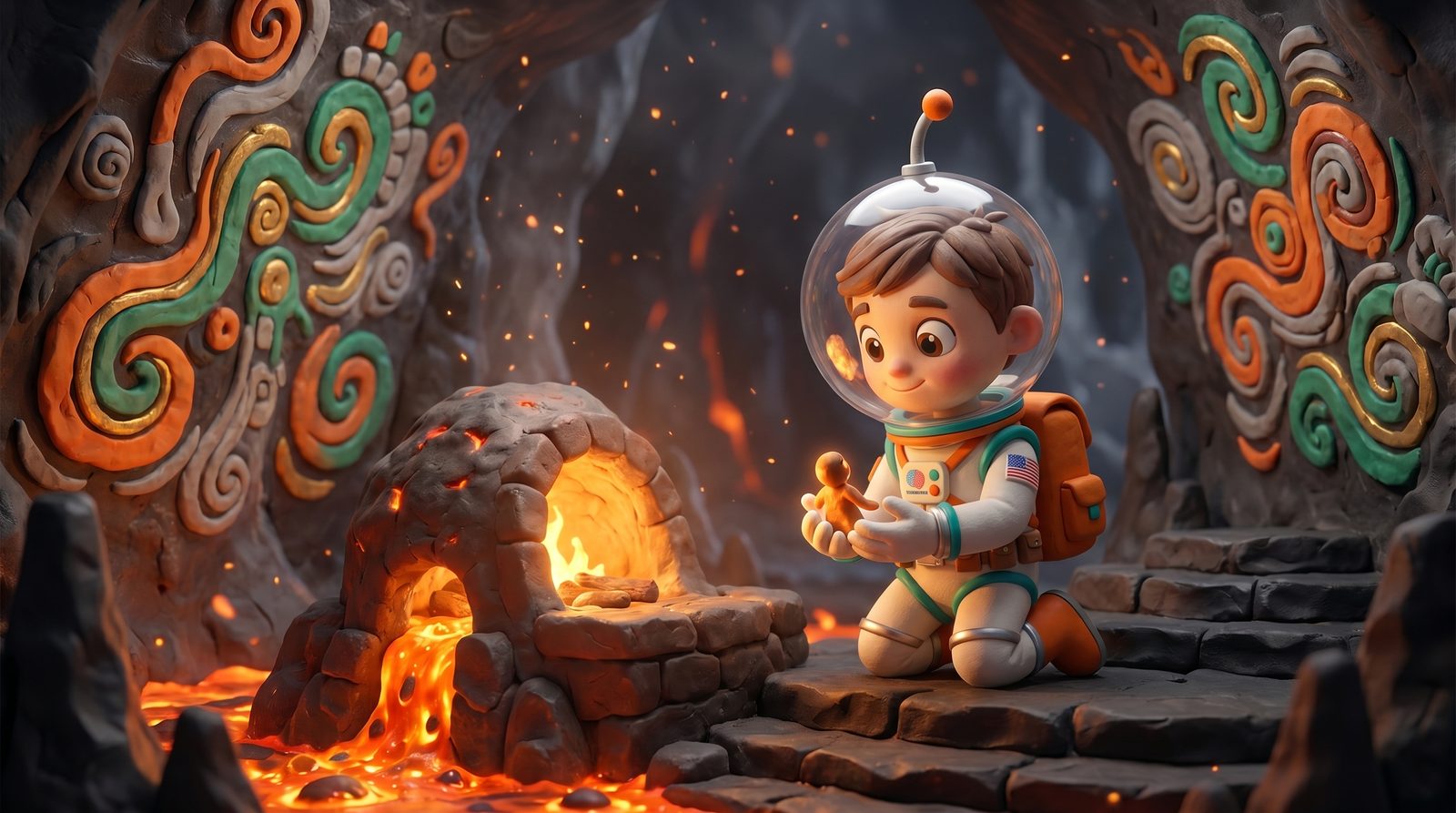
Somewhere in Bristol right now, a person has spent the entire working day producing ten seconds of film. 🎬 The slowness isn't the cost of the art. The slowness is the art.
Aardman animators move a clay dog's eyebrow a millimetre, take a photo, move it again, take another — about twenty-four times for every single second. Tomorrow they'll do ten more seconds. This is how Wallace and Gromit get made, and in a culture optimized for "faster," it is a quiet, glorious heresy.
⚙️ The golden rule was written for a steam loom
In 1880, William Morris stood up in Birmingham and gave a lecture called The Beauty of Life. Buried in it is the most useful sentence anyone has ever written about making things:
If you want a golden rule that will fit everybody, this is it: Have nothing in your houses that you do not know to be useful, or believe to be beautiful.
— William Morris (1834–1896)The Beauty of Life (1880)
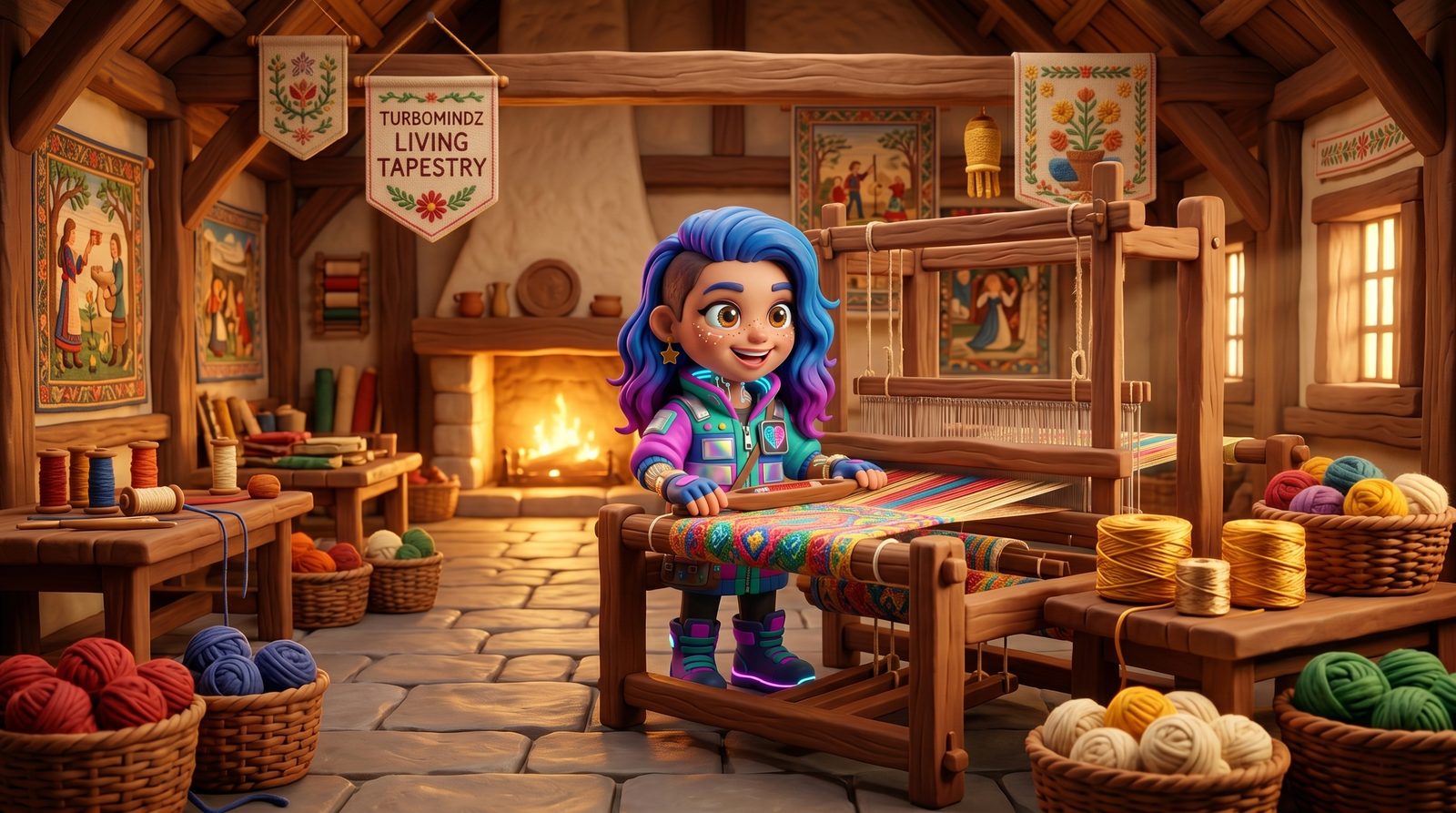
Morris was fighting the steam loom — the machine that could weave in an hour what a person wove in a week, and weave it worse, and sell it cheaper. Swap "steam loom" for "diffusion model" and his lecture reads like it was filed this morning. Claymation history is the same argument, told in plasticine: a chosen slowness, defended on purpose, because the slowness is where the soul gets in.
🔮 Plot twist: That "golden rule" gets quoted by every declutter-your-home influencer alive 🧹 — and Morris would have despised that. It was never tidying advice. It was a class war-cry. Morris ran a design firm whose hand-made beauty only the rich could afford, and the contradiction tormented him so badly he became a militant socialist: he watched machines make ugliness cheap for the poor while the beautiful, slow, handmade thing stayed locked up for the wealthy. "Useful or beautiful" wasn't aimed at your closet. 😤 It was aimed at an entire economy — the same one now offering you a thousand images a second.
⏱️ Beat one: ten seconds a day
On The Curse of the Were-Rabbit, Aardman's animators averaged around ten seconds of finished film per working day. A feature is roughly 5,400 seconds long. Do that arithmetic and you understand why these films take years.
Okay I did the MATH and I had to sit down. A minute of Wallace and Gromit is SIX DAYS of someone's life. The chase scene that flies by in your living room? Weeks. Every frame is a tiny decision a person made ON PURPOSE and then never got back. That's not inefficiency. That's DEVOTION with a shutter on it.
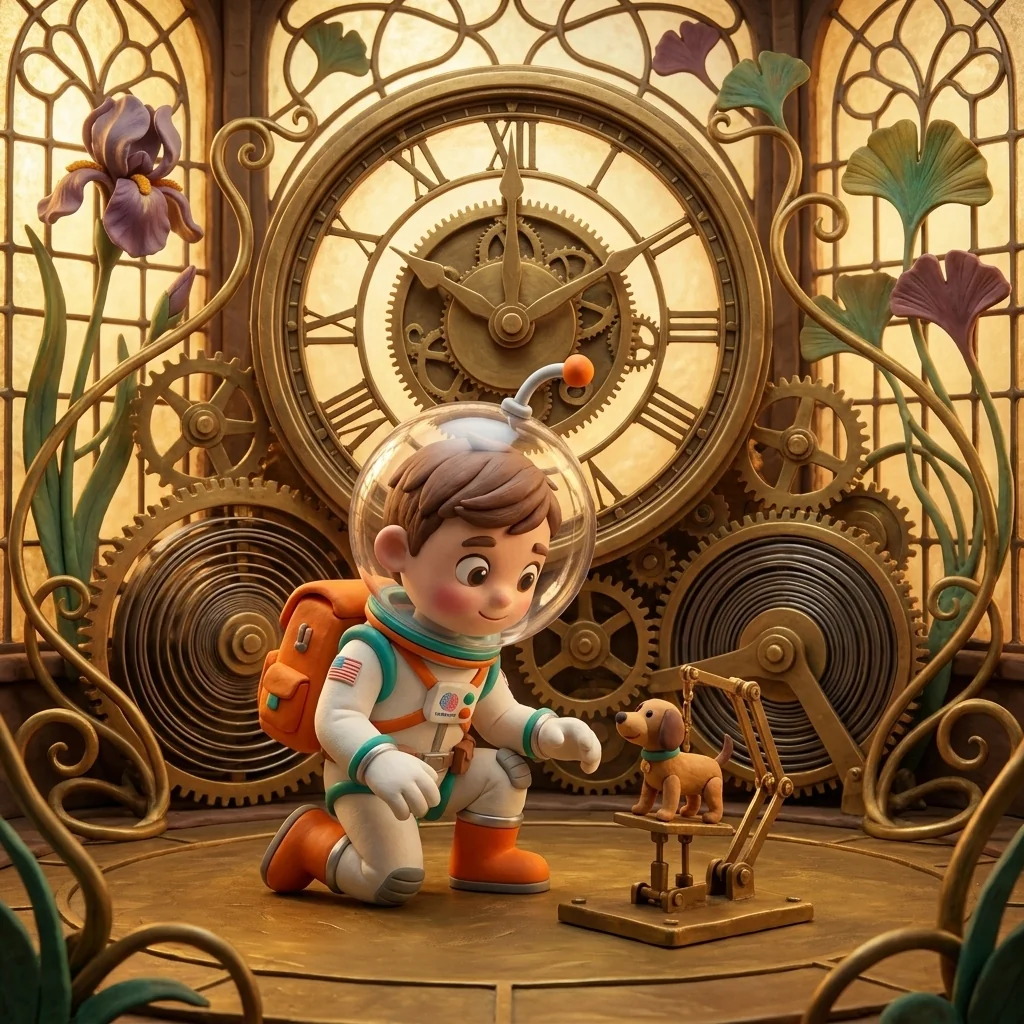
And it isn't slow because they lack the tools. Aardman could render this faster a dozen ways. They don't, because the thumbprint in the clay — the tiny asymmetry of a hand-smoothed brow — is the thing your eye believes. Speed would sand it off.
If you want the deep version of this devotion, the Aardman team's own field bible Cracking Animation walks through every stage by hand — the studio's own book (affiliate link — coming soon).
🎭 Beat two: six thousand faces to make one feel real
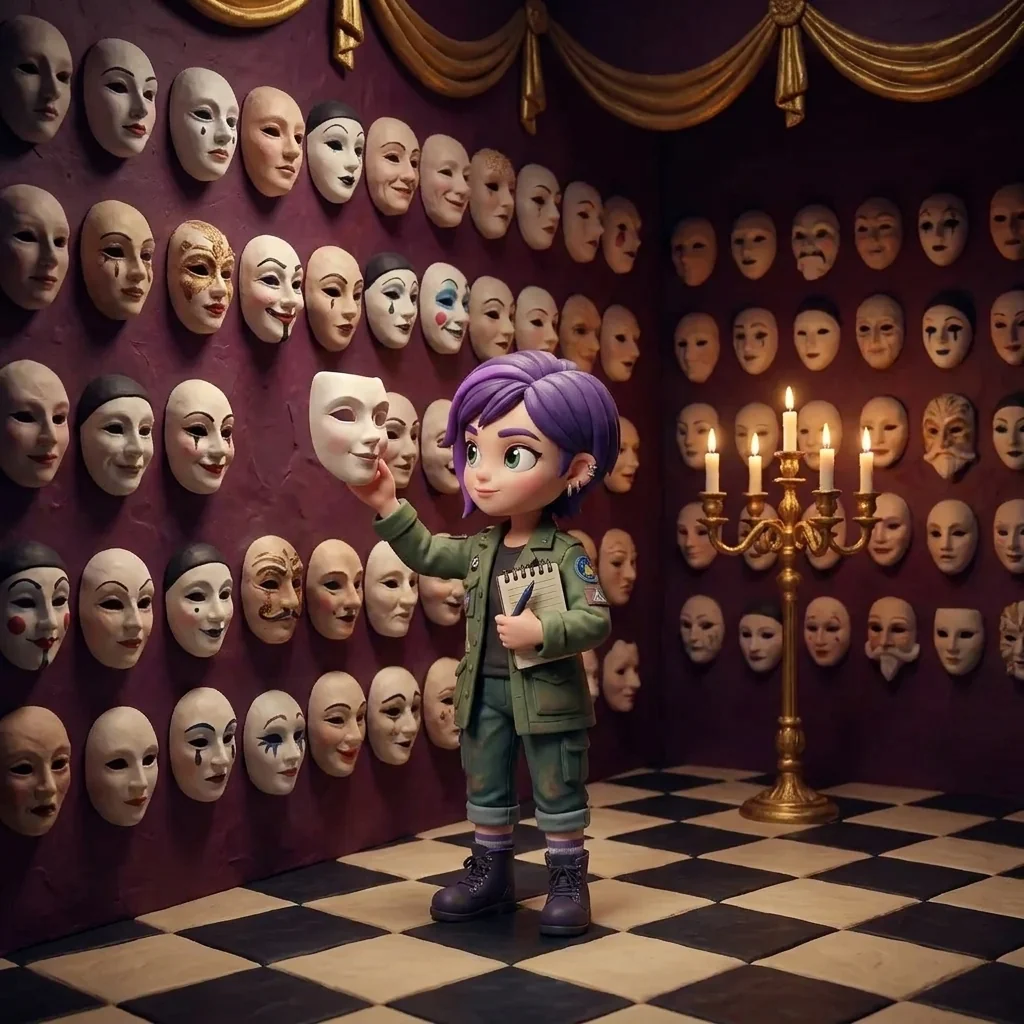
Then there's Laika, the studio behind Coraline. They 3D-printed 6,333 separate faces, which could be combined into roughly 207,000 possible expressions. The Nightmare Before Christmas, sixteen years earlier, used a few hundred hand-sculpted ones. Laika was the first to fuse stop-motion with 3D printing — and they won an Academy Sci-Tech award for it.
Notice the direction of the effort. They spent MORE precision — six thousand faces — to make the result feel MORE handmade, not less. That's the exact inverse of the slop trade, which spends less to look like more. Same tool family, opposite intention. The technology isn't the variable. The intention is.
🎞️ Beat three: on twos, where the judder is the soul
Here's a secret hiding in plain sight. Most stop-motion is animated "on twos" — twelve unique frames a second, each held for two frames, played back at twenty-four. That faint judder, that gentle strobe of handmade motion, is the thing your nervous system reads as alive. Crank everything to glassy 60fps "smoothness" and it starts to feel like a screensaver — technically perfect, emotionally dead.
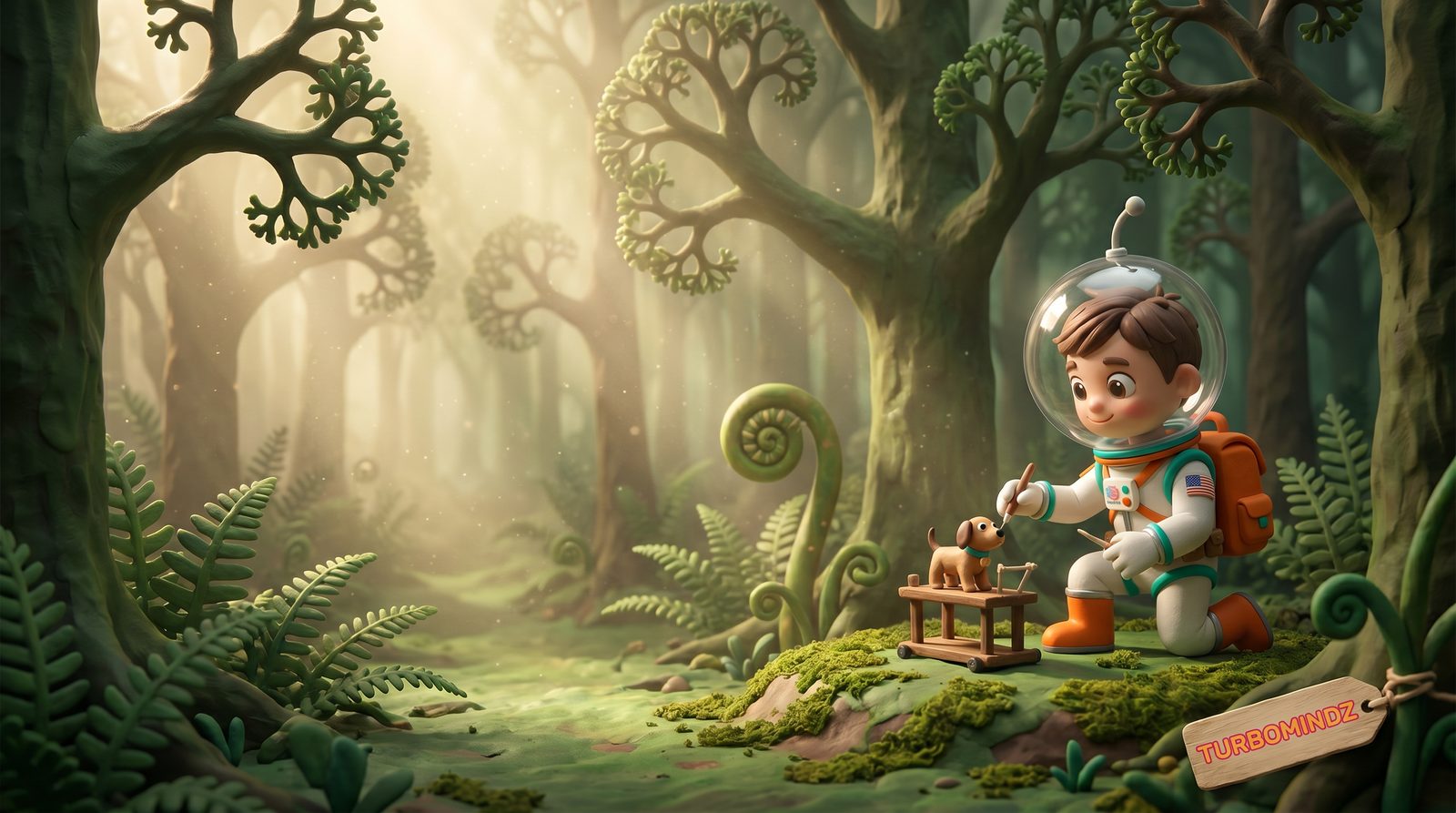
This is the whole reason our scenes look the way they do. Turbomindz is digital, yes — but we keep the fingerprints, the plasticine seams, the warm tungsten, the tiny imperfections. We render at 2K specifically so the hand stays legible up close. If you can't see that a person decided every edge, we've failed the brief.
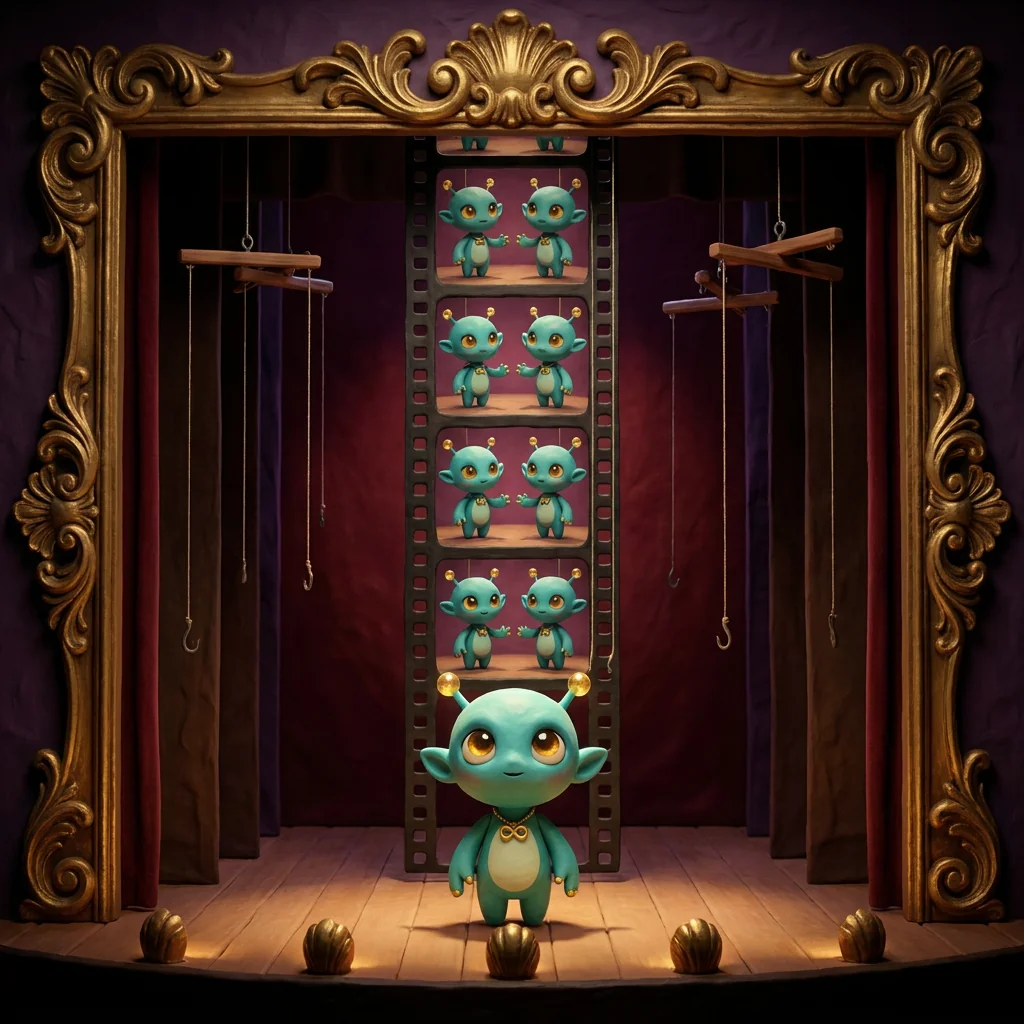
The heresy of slow is really a heresy of legibility: leaving the evidence of the hand IN the work, where a faster process would erase it to look clean.
The clay we actually keep on the shelf for this is Monster Clay Medium — it holds a fingerprint and never dries out (affiliate link — coming soon).
🖐️ Beat four: what a clay dog can teach your prompt window
Claymation's lesson is three words: constraint, slowness, and a named hand. A great prompt isn't the one that generates the most; it's the one where a person made a specific, defensible choice and can tell you why — what source, what reference, what intention. (Last week's essay called that provenance. This is its twin: provenance is where it came from; craft is who decided, and how slowly.)
The trap is thinking the tool's speed is YOUR speed. Midjourney can spit out a thousand images while you blink. But the thousand isn't the work — CHOOSING is the work, and choosing is slow, and slow is fine. Aardman taught me that. Ten seconds a day, but the ten seconds are FOREVER.
💡 What to do today
Pick one thing this week and make it slowly. One paragraph, one frame, one decision you can stand behind and explain. Leave the fingerprints in. Don't sand it to "clean." And if you want to actually try it, a good stop-motion course on Domestika gets you from zero to your first ten seconds (affiliate link — coming soon).

📐 The equation: Speed × volume = slop. Slowness × a named hand = a thing worth keeping.
Morris lost the battle against the steam loom in his lifetime, and won it across a century: we still quote him, and nobody quotes the loom. The handmade thing outlives the fast thing. It always has.
she presses her thumb once into the soft clay, looks at the mark it leaves, and decides to keep it.
🙋 Frequently asked
How slow is claymation, really? Famously slow on purpose. Aardman averages around ten seconds of finished film per working day, moving each puppet up to twenty-four times for every second of film.
Why does stop-motion look slightly "juddery"? Most of it is animated "on twos" — twelve unique frames per second, each held for two frames at 24fps. The small imperfection reads as hand-made and warm; perfectly smooth motion can feel lifeless.
Is digital claymation still claymation? If it keeps the fingerprints, the seams, and a named human hand in the loop, yes. If it sands those off to look slick, it has thrown away the one thing that made claymation matter.