

Everyone thinks collecting art is a velvet-rope thing — auction paddles, white wine, a degree you don't have. 🥂 It isn't. The whole game starts with fifty dollars and your own two eyes, and honestly, that's the best way to begin.
Here's the secret the velvet rope is hiding: a collection isn't a pile of expensive objects. It's a record of what you saw and chose to live with. 👀 And seeing clearly costs nothing. You already own the most important tool. So let's open the door — at this table, a pencil sketch counts, a postcard counts, a fifty-dollar print counts. We mean that.
🛒 The most famous minimalist in history would tell you to start small
Before you spend a cent, meet our witness. Diogenes of Sinope lived in ancient Athens, in a large ceramic storage jar — a barrel, basically — and owned almost nothing on purpose. He wasn't poor by accident. He was making a point with his whole life: that wanting little is its own kind of wealth.
It is the privilege of the gods to want nothing, and of godlike men to want little.
— Diogenes (c. 412–323 BCE)as recorded in Diogenes Laertius, Lives of the Eminent Philosophers
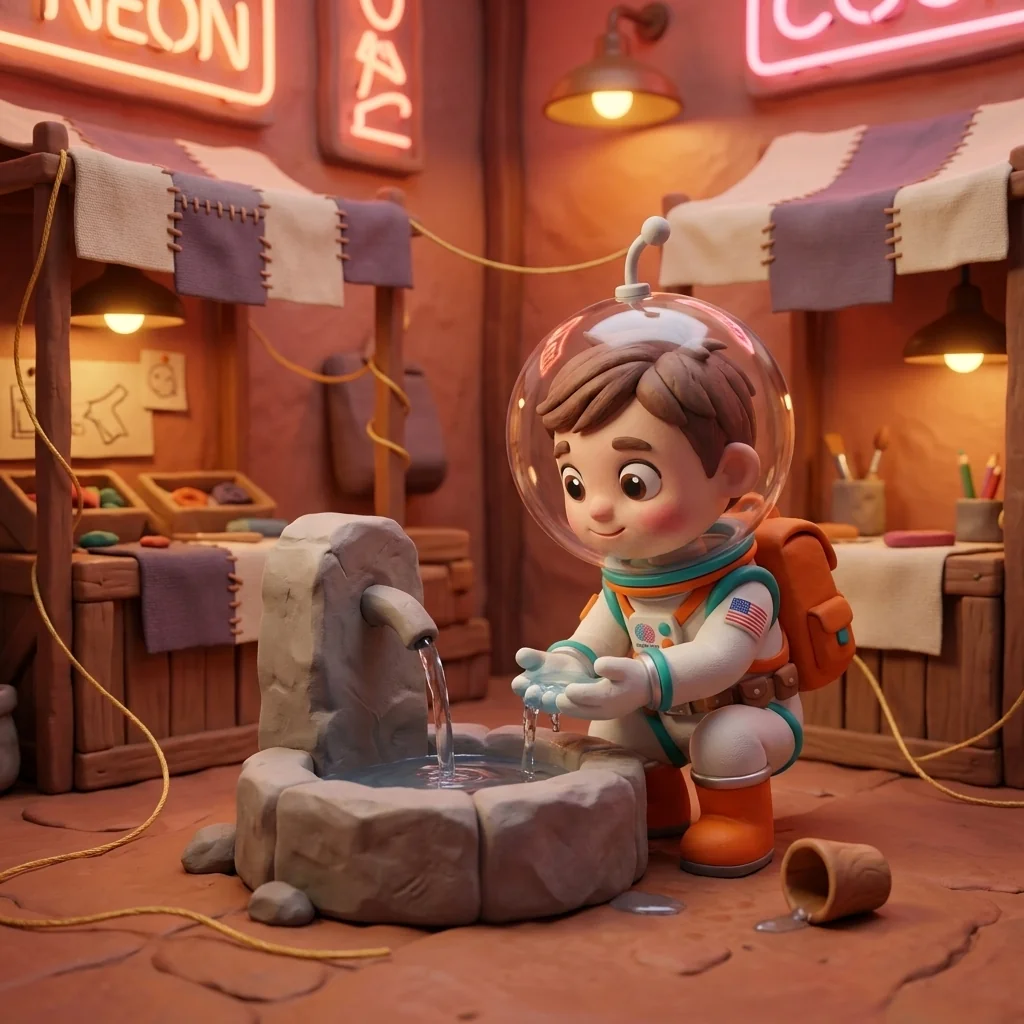
🔮 Plot twist: Diogenes owned a single wooden cup — his one possession for drinking. Then one day he watched a boy cup his hands at a fountain and drink straight from his own palms. Diogenes threw the cup away on the spot, saying a child had beaten him at plain living. 😶 So the most famous minimalist who ever lived would NOT tell you collecting is about how much you can afford. He'd tell you it's about how clearly you can see — and how little it takes to be rich, once you do. A fifty-dollar collection chosen with real attention beats a fifty-thousand-dollar one bought to impress. Every single time.
Wait — the guy who threw away his ONLY CUP is the patron saint of starting a collection?? 🤯 But it tracks! He didn't own less because he had less. He owned less because he SAW more — he looked at a kid's bare hands and went "oh, that's enough." That's exactly the muscle collecting builds. Not "how much can I buy." It's "what do I keep looking at." I want THAT eye.
👀 The real skill isn't money — it's attention
Walk into any room of art and you'll feel the urge to like the famous one, the expensive one, the one you're supposed to like. Resist it for a second. The collector's real skill is quieter than that: noticing which piece your eye keeps returning to when no one's grading you.
Look at the pattern across every great collection ever assembled — they all start the same way. Not with a budget. With a bias: a particular thing the collector couldn't stop looking at. Cézannes, Japanese woodblocks, hand-drawn maps, a friend's sketchbook — same engine, different surface. The money came later, and for some of them never came at all. Attention is the asset. Money just amplifies whatever attention you already had — or didn't.

If you want to train that eye on purpose — to learn why a composition pulls you, what to actually look for — a good art-appreciation course does more for your collecting than any amount of money. The "How to look at art" track on Domestika is a gentle, beginner-friendly place to start (affiliate link — coming soon).
🏘️ Fifty dollars, and a village that wants you in
So what does a real fifty-dollar start look like? A signed print from a maker you found online. A small original from a student show. A risograph postcard. A digital piece you can actually own. None of these are "training wheels" for a real collection — they are the collection. 🌟 The door has always been open; the gatekeepers just hoped you wouldn't notice.
This is the part I care about most, so let me be plain: there is no waiting room. You don't graduate into being a collector — you become one the moment you choose your first piece and mean it. We built the whole Turbomindz village around that idea. A long communal table, a marketplace where the small affordable thing sits proudly next to everything else, a golden thread that stitches each new person into the weave. You belong here at fifty dollars exactly as much as anyone belongs here at any number. That's not a slogan. That's the architecture.

And if you'd like a friendly book to put next to the course — one that demystifies the whole "how do regular people actually collect" question without the snobbery — there are lovely beginner guides on Bookshop.org, which funnels profit to independent bookstores instead of a warehouse (affiliate link — coming soon).
🪙 Why small-and-chosen beats big-and-bought
Here's the quiet math nobody tells beginners. A huge collection bought to impress is really just anxiety with a price tag — pieces chosen for what they say about you to other people. A small collection chosen with attention is the opposite: every piece is something you genuinely couldn't stop looking at. One of those collections is a costume. The other is a self-portrait. 🪞 Diogenes already knew which one is wealth.
I bought my first piece kind of by accident, honestly. 😅 Forty bucks, a print I just… couldn't scroll past. Didn't match anything. Wasn't a "good investment." But three years later it's still the first thing I look at every morning, and not one of the expensive things I bought to look smart has lasted like that. The cheap one I LOVED beat the pricey ones I performed. Diogenes, buddy — you were right.
💡 What to do today
Set a ceiling: fifty dollars, not a penny more. 💰 Now buy the one piece you keep thinking about — you already know which one. The image you've reopened three times. The print in the artist's shop you keep almost-buying. Don't research it into the ground, don't ask if it's "a good investment." Just choose it with attention and bring it home. That's it. That's a collection now. You're a collector as of today.
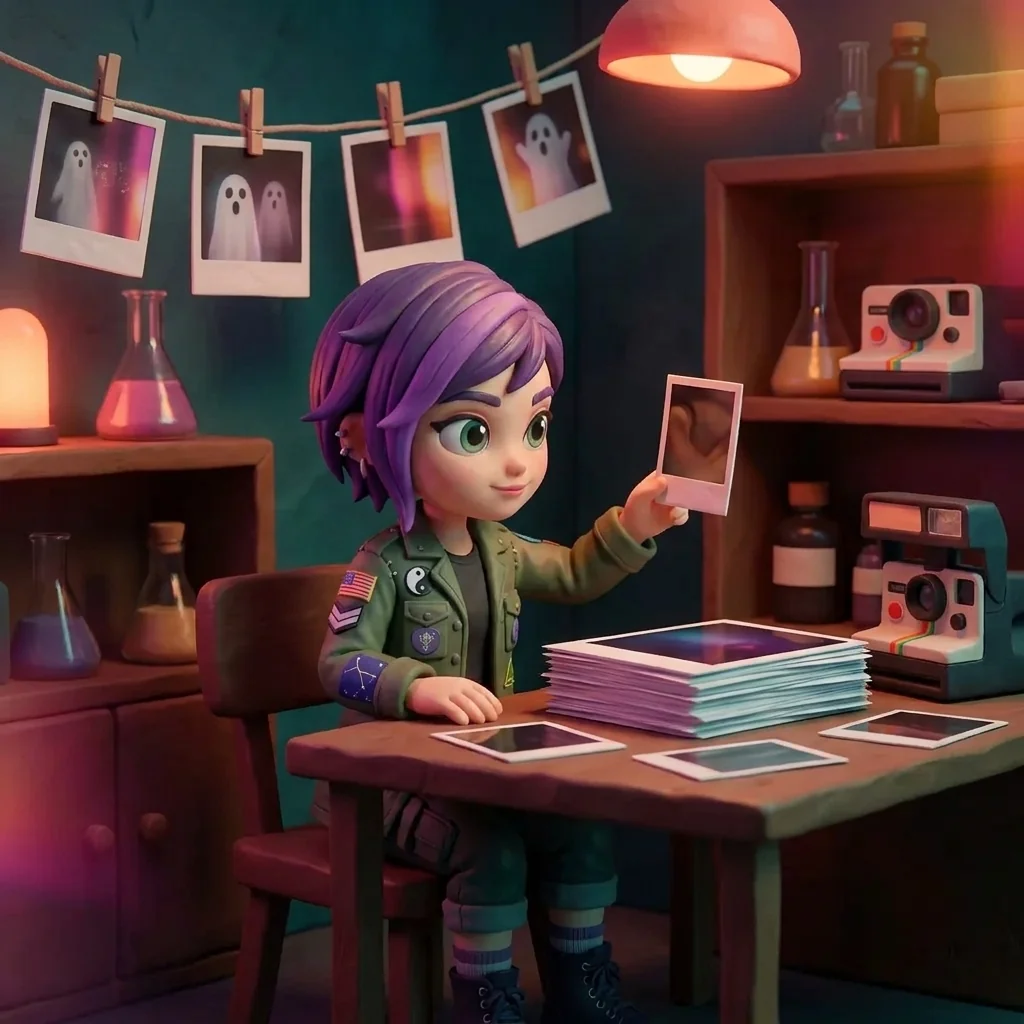
📐 The equation: Money × performance = a costume. Attention × one chosen piece = a collection.
The same idea lives in our own collection 🌟 — every Turbomindz scene is one piece, chosen and ownable, made to be lived with rather than hoarded, with a village stitched in behind it so you're never collecting alone. No velvet rope here either. Just the table, the golden thread, and a seat we genuinely saved for you.
she hangs the small one at eye level, where the expensive ones never were, and finally feels at home.
🙋 Frequently asked
How much money do I need to start collecting art? Fifty dollars is plenty — and so is less. A signed print, a small original from a student show, a postcard, or a digital piece you can truly own all count as the start of a real collection. What matters isn't the budget; it's choosing a piece you genuinely keep returning to.
Do I have to know about art to be a collector? No. You become a collector the moment you choose your first piece and mean it. Knowledge helps you enjoy more over time, but the door is open now — a pencil sketch counts, a print counts, the one you can't stop looking at counts.
Is a cheap piece a "worse" collection than an expensive one? Often it's better. A small collection chosen with real attention reflects what you actually love; a large one bought to impress reflects what you want others to think. One is a self-portrait, the other a costume — and the self-portrait lasts longer.